
FIELD GUIDE / 01
Find evidence without spreading it
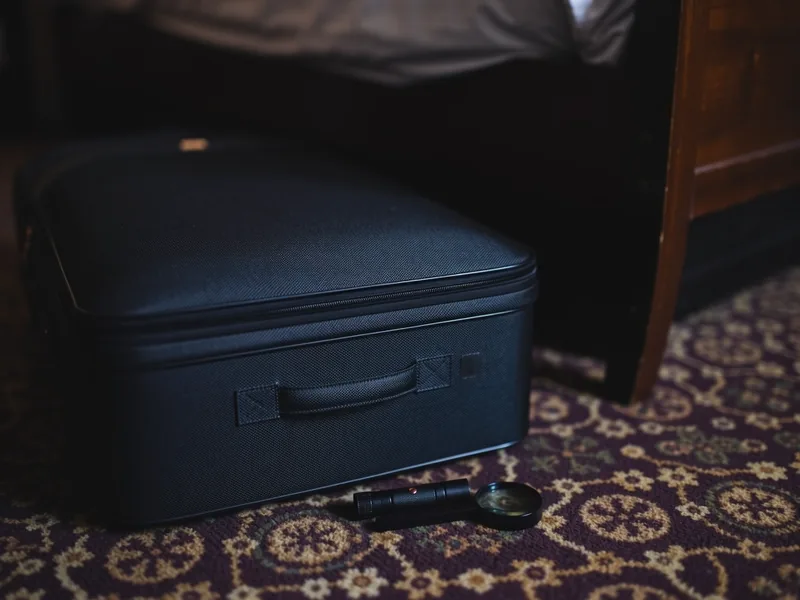
Inspect mattress seams, bed frames and nearby furniture for insects, shed skins or dark spotting. Photograph suspicious evidence and ask a qualified professional to identify it; several insects and household marks can be mistaken for bed bugs.
Do not move loose bedding or furniture into another room. Avoid discarding furniture before inspection: it may be treatable, and moving it can spread insects. If disposal is necessary, follow the provider’s containment instructions.
FIELD GUIDE / 02
Coordinate an apartment inspection
Swan Lake includes historic apartments. In a shared building, report suspected evidence promptly to management and ask how inspection of adjoining units will be coordinated.
A provider should identify which units and shared areas are included and explain how occupants will be notified and prepared. Keep a record of observations, inspection results and appointments; access and cooperation matter to follow-up.
FIELD GUIDE / 03
Prepare for treatment safely
Ask for written preparation instructions before bagging or moving possessions. Launder and dry items as directed, then keep treated items sealed and separate from untreated belongings. Reduce clutter without carrying uncontained items through the building.
Avoid bug bombs, outdoor pesticides indoors and improvised heat. Ask the provider about protecting medicines, electronics, pets and heat-sensitive items, and follow their re-entry instructions.
FIELD GUIDE / 04
Compare treatment and follow-up
Ask whether the proposal uses heat, conventional treatment or a combination, which rooms or units are covered, and how the provider will check results. Heat work requires a plan for reaching hiding places; conventional work may require follow-up visits. For scale, Tulsa-area costs run $250–$600 per room for chemical treatment and $700–$1,800 for heat; room count, preparation and follow-up visits are what move those numbers.
Compare the total for preparation assistance, treatment, scheduled reinspection and any additional visits. Read the warranty’s duration, exclusions and requirements for occupants; ask who pays if adjoining units also need treatment.