
01 / TOPIC GUIDE
Termites
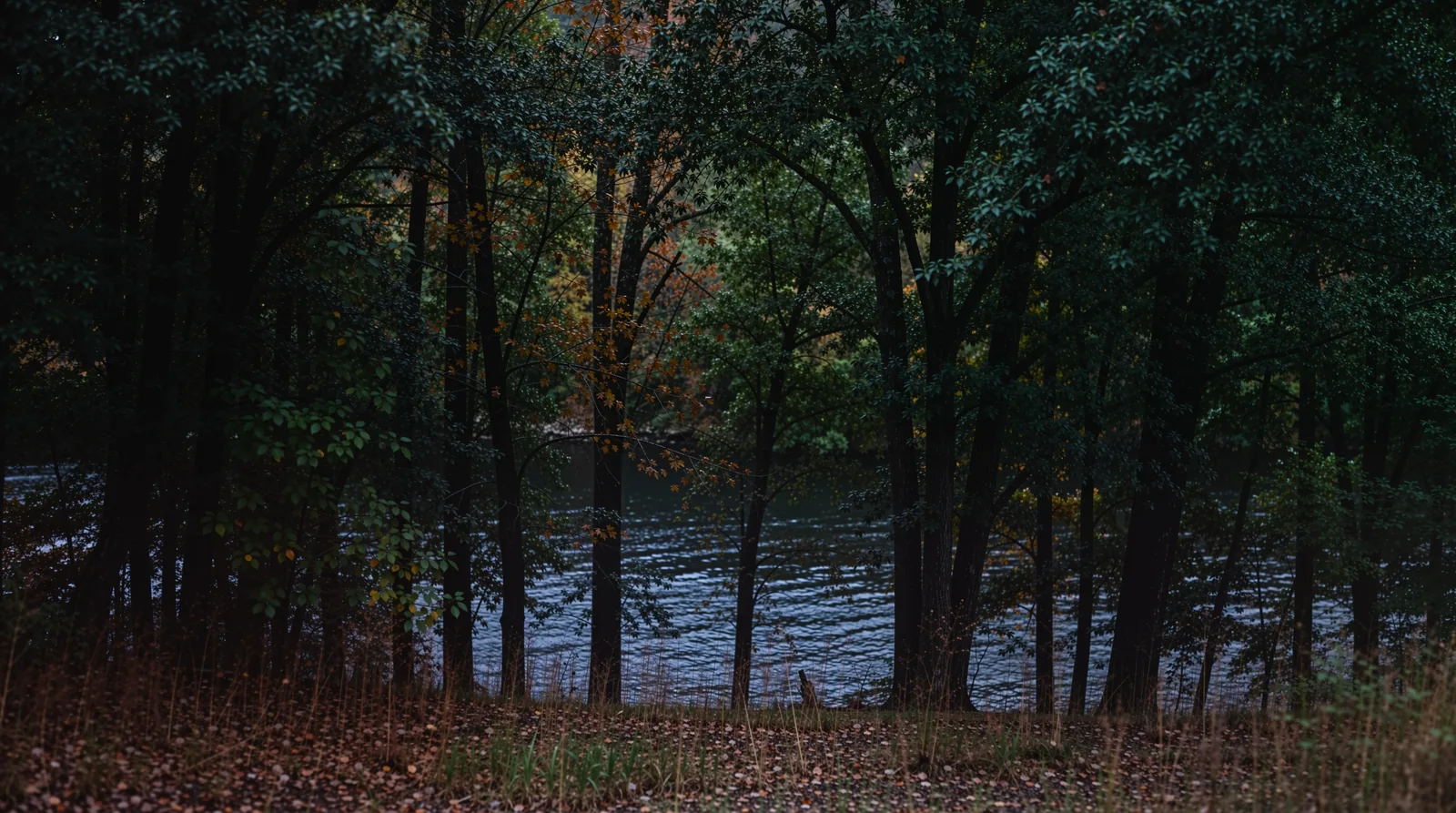
Look for shelter tubes and moisture where wood meets soil.
 Tulsa Pest Guide Request a quote →
Tulsa, Oklahoma / An independent field guide
From termites and ants to mosquitoes and rodents, find practical advice for Tulsa homes and businesses.
Start with what you see.
Know the signs, understand your options, and ask better questions.
≈ 414,000
residents inside the city limits
≈ 1.06M
people across the Tulsa metro
28 miles
of Route 66 through Tulsa
40.96 in
of rain in an average year
750+ acres
of wooded wilderness at Turkey Mountain
8
Tulsa neighborhoods and nearby towns covered
The topic index / 01—08
Find the pest or the property question, learn what to look for, and decide on your next step.
Look for shelter tubes and moisture where wood meets soil.
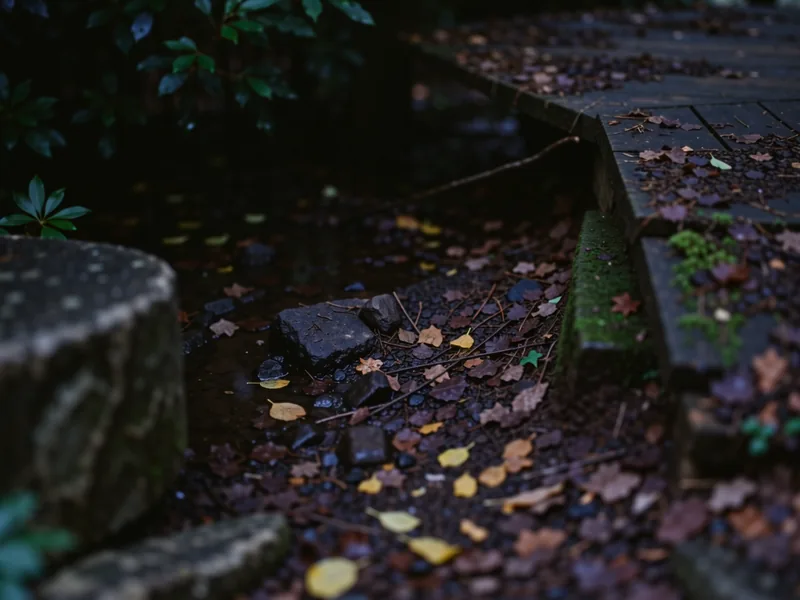
Empty standing water and check for ticks after time outdoors.
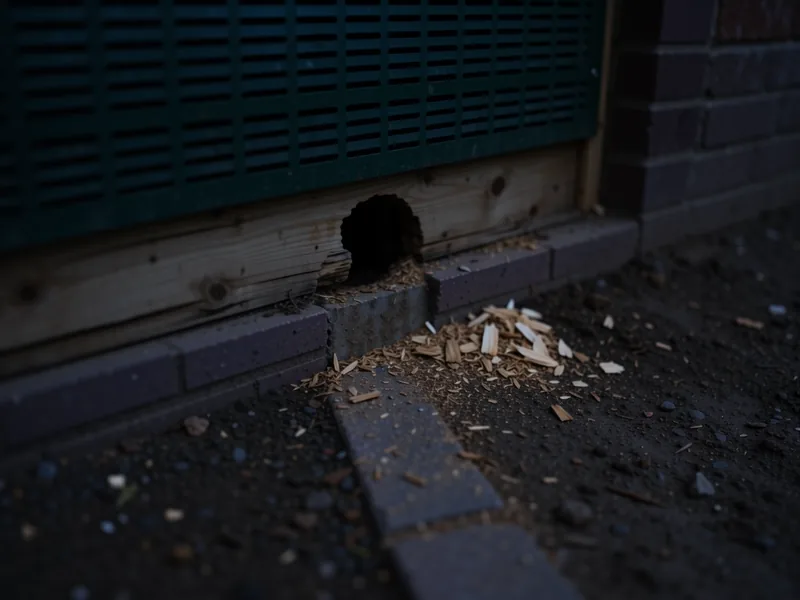
Secure food waste and look for openings around the building.

Record signs and ask for an inspection before choosing a treatment.

Follow trails to food and water sources and identify the ant.
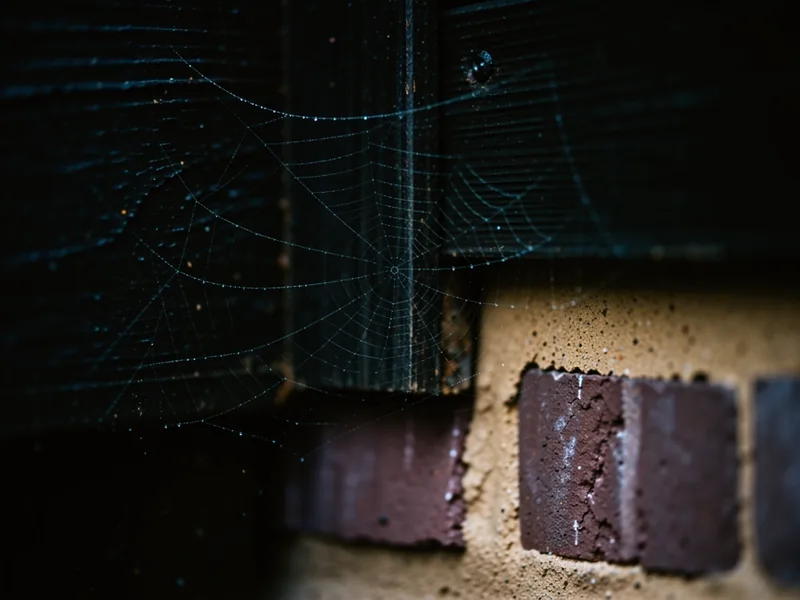
Use gloves around stored items and reduce undisturbed clutter.
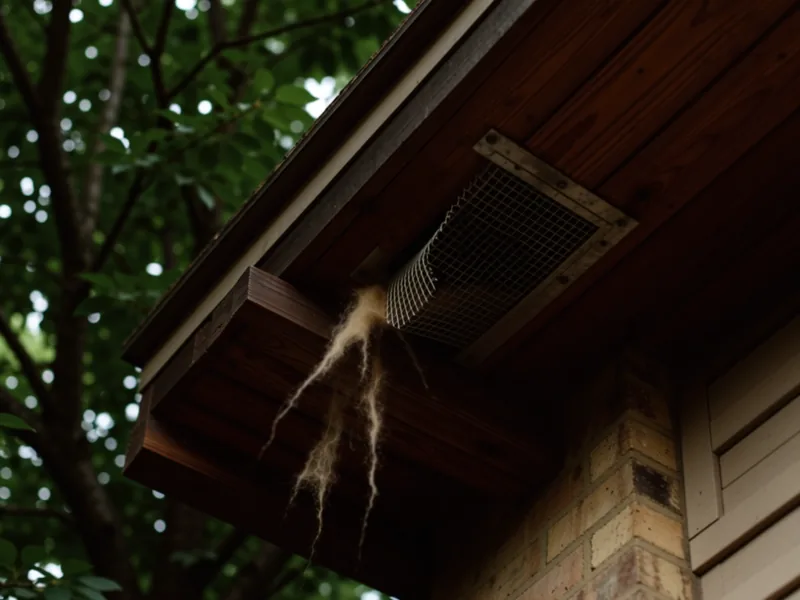
The torn soffit is the problem — exclusion after the animal is out

Documented service plans for the properties where pests are a business problem
Before you choose / three habits
This guide does not perform treatments. What it can do is help you arrive at the provider conversation with the right questions already formed.
An inspection can establish what is active, what is only older evidence and which conditions are letting pests in. Ask a provider to look before anyone proposes a treatment — the pest, the building and the evidence decide the work, not the address.
A 1920s Maple Ridge bungalow on a raised foundation and a postwar slab ranch in Broken Arrow are different amounts of work even when they sit on the same street. Older houses run their pest routes through sills, piers and porch framing near grade; slab homes turn the question to settlement cracks in the clay and what was buried before the pour.
Ask for an itemized scope — the areas to be treated, the follow-up visits, and whether the warranty covers retreatment or repairs. Then compare written quotes for the same scope so the numbers line up.
Housing eras / 01—04
Tulsa housing runs from prewar raised-foundation neighborhoods to slab-era suburbs and older commercial strips. The construction decides the routes: where wood meets soil, what lives in the voids, and what an inspection should look at.
Maple Ridge · Swan Lake · Brady Heights
The prewar neighborhoods are raised-foundation houses: sills at or near grade, piers in the crawl space, wood steps and porch framing touching soil. Those contact points are what a termite inspection maps first — and the attics, crawl spaces and old storage these houses hold are where brown recluse populations build up. Age alone establishes nothing; it decides what the inspector looks at.
Tulsa’s postwar build-out
Slab-on-grade removed the crawl space, not the soil. Settlement cracks in the clay and construction debris buried near the pour can connect soil to structure where nothing visibly touches, so on a newer purchase the useful question is whether debris was cleared before the slab was poured.
Broken Arrow · Bixby · Jenks
The subdivisions east and south of Tulsa sit on former pasture, cotton and bottomland farm soil. Termites work the grade line where wood meets that soil; creek corridors and low spots hold water after the spring rains; and on tree-lined lots squirrels find the two-to-four-inch soffit gaps that look like ready-made dens.
28 miles of road, older mixed-use stock
Tulsa’s 28 miles of Route 66 run past restaurants, multifamily and older mixed-use buildings where a sighting is an operations problem. In shared-wall buildings pests do not respect a lease line, so the useful ask is a documented plan for the whole structure — scheduled visits, records and a stated response time.
Pest profiles / 01—08
Swarmers appear after the last freeze near the end of March. May’s 5.73 inches of rain decide how many mosquitoes the summer starts with. Seventy-four days at or above 90°F keep the water-dependent pests working, and the autumn turn of the nut crop sends squirrels and rodents toward the roofline and the foundation. The profiles below follow that calendar — read it as a pattern to watch, not a diagnosis. Only an inspection can establish what is active at a property.
| Pest | Jan | Feb | Mar | Apr | May | Jun | Jul | Aug | Sep | Oct | Nov | Dec |
|---|---|---|---|---|---|---|---|---|---|---|---|---|
| Termites Spring swarms; feeding year-round below the frost line | Termites, Jan: Low | Termites, Feb: Low | Termites, Mar: Moderate | Termites, Apr: High | Termites, May: Peak | Termites, Jun: Peak | Termites, Jul: High | Termites, Aug: High | Termites, Sep: High | Termites, Oct: Moderate | Termites, Nov: Low | Termites, Dec: Low |
| Brown recluse Autumn as they settle into winter shelter; sightings year-round in structures | Brown recluse, Jan: Moderate | Brown recluse, Feb: Moderate | Brown recluse, Mar: Moderate | Brown recluse, Apr: Moderate | Brown recluse, May: Moderate | Brown recluse, Jun: Moderate | Brown recluse, Jul: Moderate | Brown recluse, Aug: Moderate | Brown recluse, Sep: High | Brown recluse, Oct: Peak | Brown recluse, Nov: High | Brown recluse, Dec: Moderate |
| Mosquitoes May-September; May is the peak breeding month (5.73" rain) | Mosquitoes, Jan: None | Mosquitoes, Feb: None | Mosquitoes, Mar: Low | Mosquitoes, Apr: High | Mosquitoes, May: Peak | Mosquitoes, Jun: Peak | Mosquitoes, Jul: Peak | Mosquitoes, Aug: Peak | Mosquitoes, Sep: High | Mosquitoes, Oct: Low | Mosquitoes, Nov: None | Mosquitoes, Dec: None |
| Scorpions Autumn cool-down and weather changes | Scorpions, Jan: Low | Scorpions, Feb: Low | Scorpions, Mar: Low | Scorpions, Apr: Low | Scorpions, May: Low | Scorpions, Jun: Moderate | Scorpions, Jul: Moderate | Scorpions, Aug: Moderate | Scorpions, Sep: High | Scorpions, Oct: Peak | Scorpions, Nov: Moderate | Scorpions, Dec: Low |
| Squirrels Autumn dispersal and spring nesting | Squirrels, Jan: Moderate | Squirrels, Feb: Moderate | Squirrels, Mar: Moderate | Squirrels, Apr: Low | Squirrels, May: Low | Squirrels, Jun: Low | Squirrels, Jul: Low | Squirrels, Aug: Low | Squirrels, Sep: Moderate | Squirrels, Oct: Peak | Squirrels, Nov: High | Squirrels, Dec: Moderate |
| Roaches Summer; year-round in heated structures | Roaches, Jan: Low | Roaches, Feb: Low | Roaches, Mar: Low | Roaches, Apr: Moderate | Roaches, May: Moderate | Roaches, Jun: High | Roaches, Jul: Peak | Roaches, Aug: Peak | Roaches, Sep: High | Roaches, Oct: Moderate | Roaches, Nov: Low | Roaches, Dec: Low |
| Ants Spring trails indoors; summer carpenter ant activity | Ants, Jan: None | Ants, Feb: Low | Ants, Mar: Moderate | Ants, Apr: High | Ants, May: High | Ants, Jun: High | Ants, Jul: High | Ants, Aug: High | Ants, Sep: Moderate | Ants, Oct: Low | Ants, Nov: None | Ants, Dec: None |
| Rodents Autumn push indoors as the nut crop turns | Rodents, Jan: High | Rodents, Feb: High | Rodents, Mar: Moderate | Rodents, Apr: Low | Rodents, May: Low | Rodents, Jun: Low | Rodents, Jul: Low | Rodents, Aug: Low | Rodents, Sep: Moderate | Rodents, Oct: Peak | Rodents, Nov: Peak | Rodents, Dec: High |
Structural
Colonies living in the soil that commute to structural wood through mud tubes. Tulsa's 40.96 inches of annual rain keeps the soil moist enough for them to feed year-round — winter slows them, it does not stop them.
Its season. Spring swarms; feeding year-round below the frost line
Public health
OSU names the brown recluse among Oklahoma's most dangerous-bite spiders and warns populations can build up in structures — especially in buildings that stand empty. Check storage and other hiding places; a building's age alone does not establish an infestation.
Its season. Autumn as they settle into winter shelter; sightings year-round in structures
Public health
Only females bite, and the immature stages cannot develop without standing water. The mosquitoes you get come from your own low spots and containers — the Arkansas River is scenery, not the source.
Its season. May-September; May is the peak breeding month (5.73" rain)
Public health
OSU: scorpions found in Oklahoma are not considered dangerously venomous, though a sting warrants a doctor's visit. Mostly active at night, sheltering by day under boards, leaf litter, door mats and in wall voids.
Its season. Autumn cool-down and weather changes
Wildlife
OSU documents both Oklahoma species denning in cavities with entrances two to four inches wide — the size of the gaps they find in soffits and roofline trim. A nut-crop failure pushes subadults out to find new shelter.
Its season. Autumn dispersal and spring nesting
Public health
These species hide beneath buildings and in dark, damp, sheltered locations. River-bottom lots, shaded creek-drainage foundations and older crawlspaces keep that damp available all season.
Its season. Summer; year-round in heated structures
Nuisance
Ants in the kitchen are not one problem: the species decide the product, and carpenter ants excavate damp structural wood. Identification before treatment — OSU stresses locating and treating every entry point the ants use.
Its season. Spring trails indoors; summer carpenter ant activity
Public health
Mice fit through openings the size of a thumb and run the same routes nightly. Trapping without exclusion removes the current population and leaves the door open — the work that lasts seals the building.
Its season. Autumn push indoors as the nut crop turns
A note on place / Tulsa
Turkey Mountain rises above the west bank of the Arkansas River, with native tree canopy and trails. After time in wooded or brushy areas, check people and pets for ticks.
Explore seasonal advice →Tulsa places / 01—08
Eight Tulsa neighborhoods and nearby towns, each with its own ground, housing and pest story.
Dining and shopping along Peoria Avenue, near River Parks
Historic apartments and the park named in Swan Lake’s history
Historic Brady Heights and the woodwork of the Curtain House
Historic Maple Ridge and the trim on the Holloway/Carlton House
Wooded edges above the Arkansas River’s west bank
From 3,262 people to 113,556, on what was cattle pasture and cotton country
Arkansas River bottomland that still farms, with pecans, sod and sweet potatoes at the neighborhood edge
Behind a levee since 1948, because the Arkansas River flooded the town twice
The seasonal calendar
Four seasons, four priorities. The month-by-month calendar goes one level deeper.
March–May
Swarm season and the wettest weeks of the year
Priority. Inspect for termites and reduce standing water before the May rains.
June–August
Seventy-four days of heat — and the bugs that follow the water
Priority. Keep the water managed and any mosquito service schedule unbroken.
September–November
The push indoors — seal before the freeze
Priority. Exclusion work: roofline, soffits, vents, thresholds — before the first hard cold.
December–February
The quiet season for the right work
Priority. Ask for the termite inspection and finish the sealing work before spring.
A practical starting point
A little observation can make the next conversation more useful.
YOUR PROPERTY CHECK / THREE STEPS
The cost guide
Typical pest control costs vary by treatment, property size, and the work involved. Here’s what homeowners around Tulsa can expect to discuss when comparing quotes.
Explore the cost guide →SERVICE / ESTIMATED COST
Compare quotes for the same scope, follow-up and warranty.
From the field
Keep grass and brush trimmed back from seating and play areas, and check people and pets for ticks after time in wooded or brushy parts of the property.
Park proximity alone does not establish breeding at your home. Check containers and gutters for standing water and remove it.
No. Where wood contacts soil or moisture problems exist, check for shelter tubes and seek an inspection if warranted.
Because the pests commute through shared plumbing chases, wall voids and laundry rooms, and a unit-by-unit treatment leaves the population in the walls. OSU describes roaches and rodents using exactly those shared routes. In shared-wall buildings the fix is building-wide or it is temporary; that is the pest biology, not the contract terms.
Tell the inspector when the building was constructed and about additions, repairs and previous treatments. The inspection should establish the actual foundation type, accessible voids, moisture conditions and signs of activity. Age alone does not establish an infestation or a greater number of entry routes.
Your next step
Share a few details about the pest and your property to get started.