Identify the animal
Ask for an inspection of access points and signs, including whether young may be present.
 Tulsa Pest Guide Request a quote →
Tulsa pest guide Exclusion
Gray and fox squirrels are what Tulsa's mature tree canopy supports in volume: OSU documents both species denning in cavities with entrances two to four inches wide — the size of the gaps they find in soffits and roofline trim. The animal is the visible half; the torn soffit and the unsealed gap are the half that brings the next one.
Request a quote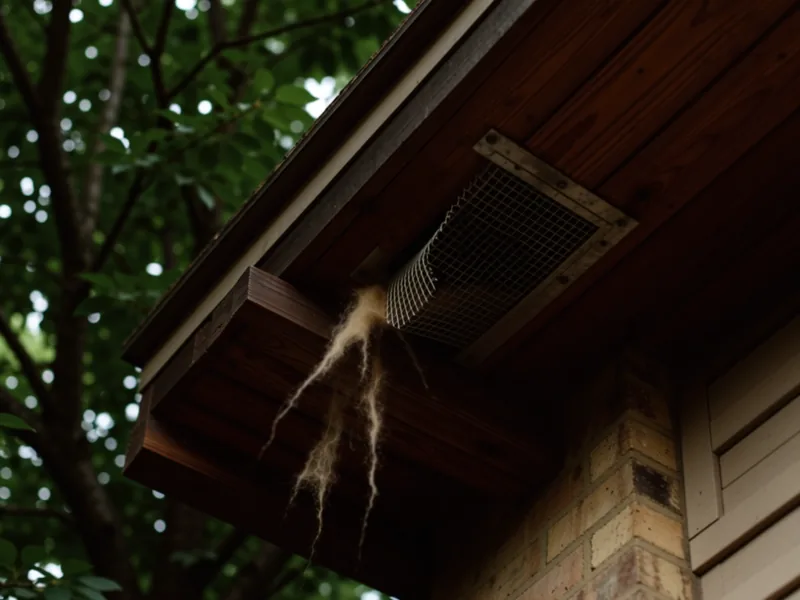 Exclusion / FIELD GUIDE
YOUR FIELD GUIDE
Start with
the signs.
Look closely, note where you find activity, and bring those details to an inspection.
Jump to the service plan ↓01 / Start here
Note where and when you find signs around the property.
02 / Between visits
Small changes can make an inspection more useful and address conditions that may support pests.
Keep waste secured and avoid leaving pet food outdoors.
Check vents and roof edges from the ground; leave high or unsafe inspections to a professional.
Do not seal an occupied opening yourself: animals or dependent young could be trapped inside.
03 / The inspection & plan
Ask the provider to explain what they found before agreeing to work.
Ask for an inspection of access points and signs, including whether young may be present.
Methods and timing depend on the species and applicable rules. Ask how the provider will prevent animals being trapped inside.
Get a written scope for exclusion, cleanup, repairs and follow-up, including work that is not included.
Field guide / 01
Sounds in a ceiling, droppings or a damaged vent can point to animal activity but do not identify the species. Gray and fox squirrels are what Tulsa's mature tree canopy supports in volume — homes along the Turkey Mountain edge back onto 750 acres of it — and OSU documents both species denning in cavities with entrances two to four inches wide, the size of the gaps they find in soffits and roofline trim. Oklahoma's nut crop of pecans, acorns and hickory nuts ripens on a five-to-seven-year boom-and-bust cycle, and a bust year pushes subadults out to find new shelter. Observe from a safe distance and note where and when an animal enters or leaves. An operator can inspect roof edges, vents, chimneys, attics and areas beneath decks where accessible, looking for active openings and signs of young.
Avoid handling an animal or reaching into a nesting space. Do not seal a hole simply because it is visible: an animal or dependent young could remain inside. If a bat may have had contact with a person or pet, or was found in a room with someone unable to rule out contact, seek public-health or medical advice promptly and avoid direct handling.
Field guide / 02
The right method depends on the species, the building and applicable rules. A qualified operator may use a one-way device or other lawful method where appropriate, but should first explain how young will be protected and how the building will be checked before permanent repairs. Bat work in particular requires attention to species and timing; ask the operator about current Oklahoma requirements.
Once it is appropriate to close access, repairs may include vent screening, chimney caps or stronger materials at damaged openings. Ask for a list of locations and materials. Removing one animal without addressing access can leave the building vulnerable, while sealing everything before confirming the space is empty can create a serious problem.
Field guide / 03
Droppings, nesting material and damaged insulation can require specialized cleanup. Do not disturb a heavily contaminated area; ask the operator whether assessment, protective equipment, disposal and restoration are included. Electrical or structural damage may require a separate qualified contractor. Keep children and pets away from the affected area until the provider gives instructions.
After work, request photographs or a written record of repaired openings, any devices still in place and the date they will be removed. Ask when the operator will verify that the space is clear and who to call if sounds or sightings return. Secure waste and address accessible food sources, but leave roof work and unsafe access to professionals.
Field guide / 04
Species, building height, number of openings, accessibility, dependent young and the need for cleanup or repairs can change the job substantially. An inspection fee, removal, exclusion and restoration may be separate items. Ask whether the proposal covers all identified openings or only the one currently used.
Compare the written method, monitoring visits, repair materials and warranty on completed exclusion. Confirm whether insulation replacement, waste disposal and damage repair are included. If the provider identifies a species subject to special rules, ask how timing and any required permissions affect the schedule before work begins.
Field guide / 05
Ask how the operator will establish that the space is empty, whether dependent young are present and when any temporary device will be checked and removed. Request a description of the materials used at each opening, including vents or other places where the building still needs to function.
If there is contamination, find out who assesses it and whether disposal and replacement of damaged material are in the contract. Keep the inspection and repair record for a future visit. If activity returns, report the location and time; do not remove devices or reopen a repaired entry point yourself.
04 / Before you decide
Not while animals may be inside. A qualified wildlife operator can identify the species and plan removal and repairs safely.
No. Rules and timing can vary by species, and dependent young must be considered. Ask a qualified operator about the applicable requirements.
Not always. Ask whether contaminated material removal, repairs and disposal are included or quoted separately.
Oklahoma's nut crop — pecans, acorns, hickory nuts — ripens on a five-to-seven-year boom-and-bust cycle, and when it busts, OSU documents subadults being forced out of their ranges to find new shelter. Gray and fox squirrels den in tree cavities two to four inches wide; soffit vents and roof gaps of that size look like ready-made dens to them. Trim the tree line off the roof and screen the openings at that size.
Rules on trapping and relocating wildlife vary and change; the Oklahoma Department of Wildlife Conservation governs them. A licensed wildlife operator works within the current rules and — the part that actually solves it — seals the building after removal.
Common targets
Signs worth not waiting on
Job notes
What moves the price
Compare quotes for the same scope so the numbers line up.
Related