Tulsa pest guide / Tulsa, Oklahoma
Pest topics
Explore common pest concerns in Tulsa, including signs to look for, service options and questions to ask.
Request a quote ↗ TULSA / FIELD GUIDE
Subterranean termites move from soil to structural wood along mud tubes, and Tulsa gives them a seven-month season: 40.96 inches of rain a year keeps the soil moist enough for colonies to feed year-round. The first sign is often flying termites (swarmers) indoors in spring — or mud tubes on foundation walls and piers that went unnoticed until they were painted over.
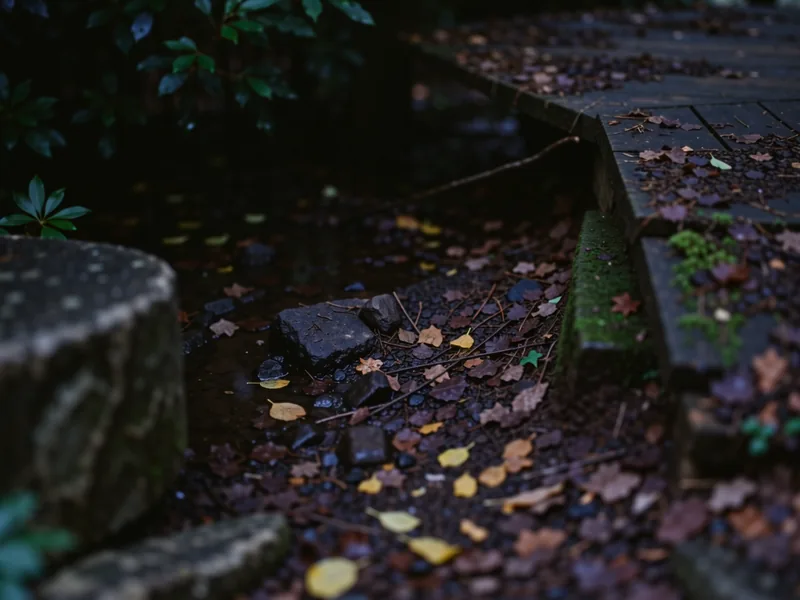
OSU is explicit: immature mosquitoes cannot develop without standing water. Tulsa runs 94 rain days a year with 5.73 inches in May alone, and the Arkansas River runs through town — but the mosquitoes at a property come from its own low spots and containers, not the river itself. Ticks work the wooded and grassy edges: Turkey Mountain's 750 acres, the creek corridors, the unmowed lot line.
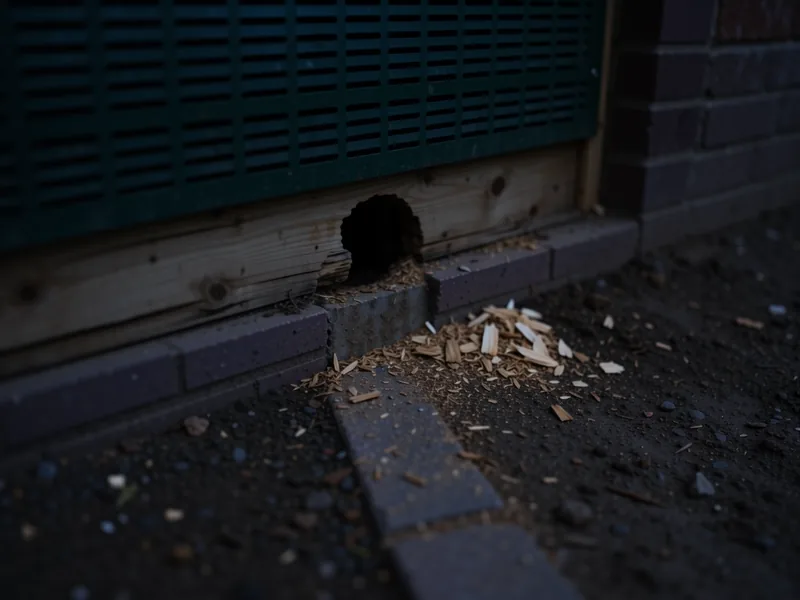
Mice and rats commute along the same routes every night: the worn run along the baseboard, the gnawed gap at the foundation vent, the opening at the roofline. Trapping without exclusion removes the current population and leaves the door open for the next one. The part that lasts is the one that seals the building.

Bed bug encounters have risen nationwide since 2000, and OSU is blunt about why they are a problem: they feed mostly at night and can live many months without a blood meal. They travel in luggage, thrifted furniture and bedding. This is a persistence problem, not a cleanliness problem — and the treatment works or fails on preparation.

Kitchen trails, activity in damaged wood and outdoor mounds need identification before treatment. OSU reports historical red imported fire ant finds as far north as Tulsa County, but says many northern infestations were small, isolated and treated, with current activity uncertain. Neither mound shape nor a Tulsa address establishes the species; ask a qualified identifier before choosing a product.
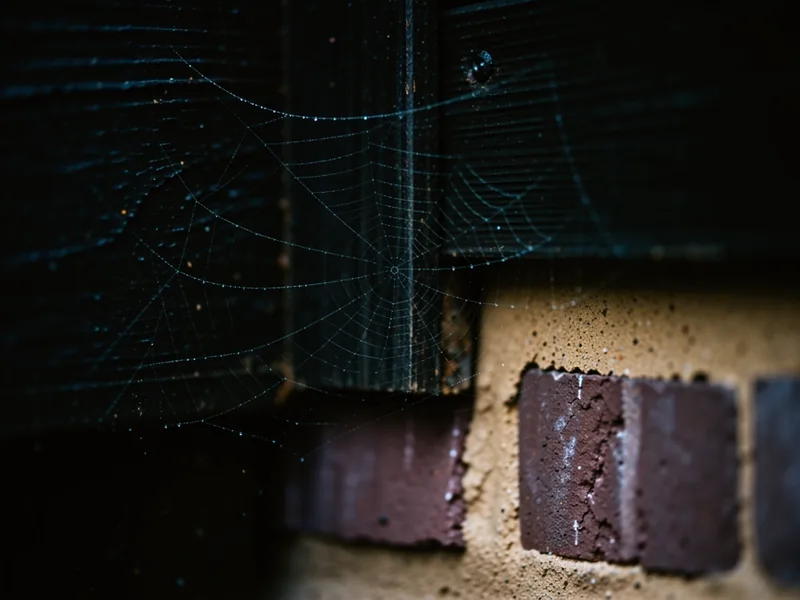
OSU names the brown recluse among Oklahoma's most dangerous-bite spiders and warns populations can build up in structures — attics, crawl spaces, behind baseboards, closets and storage areas, especially in buildings that stand empty. A sighting on an open wall is the visible fraction; an inspection looks at the hiding places a building actually has. Its age alone does not establish an infestation.
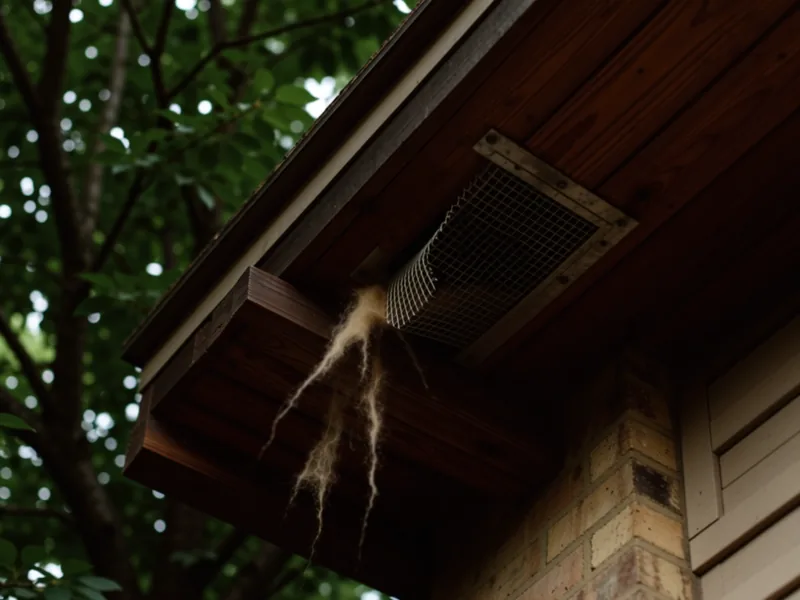
Gray and fox squirrels are what Tulsa's mature tree canopy supports in volume: OSU documents both species denning in cavities with entrances two to four inches wide — the size of the gaps they find in soffits and roofline trim. The animal is the visible half; the torn soffit and the unsealed gap are the half that brings the next one.

Restaurants, multifamily buildings, healthcare and food service treat pests as an operations problem: a sighting is a customer complaint, a health inspection finding or a tenant notice. In shared-wall buildings pests do not respect a lease line, so ask for a plan that covers the whole structure, with scheduled visits, documentation and a stated response time.
