Inspect hiding places
Point out sightings and ask about closets, storage, accessible voids and exterior entry points.
 Tulsa Pest Guide Request a quote →
Tulsa pest guide Indoor
OSU names the brown recluse among Oklahoma's most dangerous-bite spiders and warns populations can build up in structures — attics, crawl spaces, behind baseboards, closets and storage areas, especially in buildings that stand empty. A sighting on an open wall is the visible fraction; an inspection looks at the hiding places a building actually has. Its age alone does not establish an infestation.
Request a quote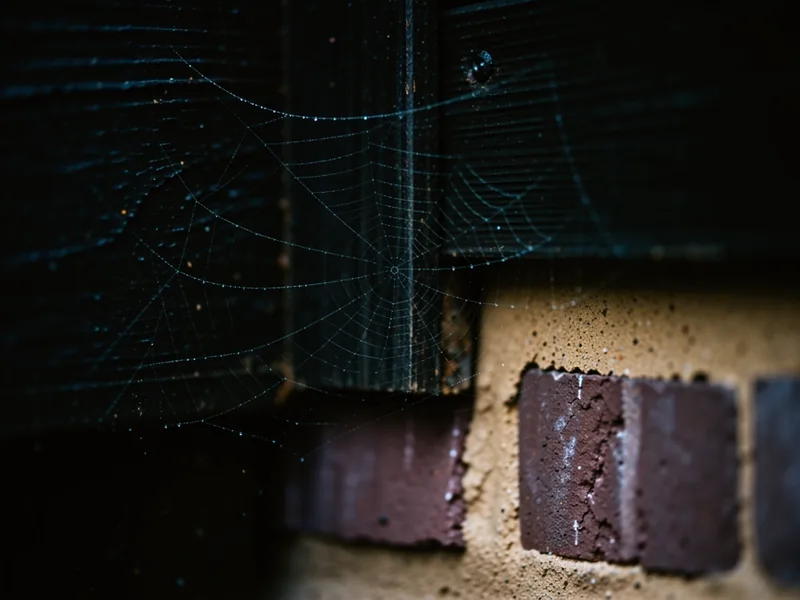 Indoor / FIELD GUIDE
YOUR FIELD GUIDE
Start with
the signs.
Look closely, note where you find activity, and bring those details to an inspection.
Jump to the service plan ↓01 / Start here
Note where and when you find signs around the property.
02 / Between visits
Small changes can make an inspection more useful and address conditions that may support pests.
Wear gloves when handling stored items and shake out shoes or clothing that have been stored undisturbed.
Reduce clutter and use closed storage bins; leave accessible space along walls.
Repair screens and door sweeps and remove accessible webs without handling spiders directly.
03 / The inspection & plan
Ask the provider to explain what they found before agreeing to work.
Point out sightings and ask about closets, storage, accessible voids and exterior entry points.
Discuss clutter, web removal, insect activity and repairs that may limit entry.
Ask where products will be used, what preparation is needed and whether follow-up is included.
Field guide / 01
Spiders may be found in undisturbed storage, closets, garages, crawlspaces and around exterior lights. OSU names the brown recluse among Oklahoma's most dangerous-bite spiders and warns populations can build up in structures — attics, crawl spaces, behind baseboards, closets and storage areas, especially in buildings that stand empty. Record the location and frequency of sightings, not just the room where one spider was found. Webs and egg sacs can help an inspector locate activity, while damaged screens, door gaps and other insects may point to conditions worth correcting.
Identification from a quick glance or a single marking can be unreliable. If it is safe, take a clear photograph without handling the spider and ask a qualified person to identify it. Do not diagnose a bite from a skin mark alone. Seek medical advice for a concerning bite or symptoms and follow the clinician’s guidance.
Field guide / 02
An inspection may lead to web removal, reducing clutter, repairing entry points and managing insects that provide food. Closed bins can make stored items easier to inspect than piles of cardboard, and clearing space along walls gives the provider access. Shake out stored shoes and clothing and wear gloves when moving items that have sat undisturbed.
A provider may recommend targeted products in cracks, voids or other relevant locations, but the plan should explain where and why they are used. Ask whether web removal and treatment of storage areas are included or limited to the outside perimeter. Discuss children, pets and sensitive items and follow the specific product and re-entry directions provided.
Field guide / 03
Before the appointment, show the provider the places where spiders have appeared and make those areas accessible without reaching blindly into stored material. Discuss attic or crawlspace access, existing clutter and any previous treatments. Ask which work you should do before the visit and which tasks the provider will handle.
Afterward, continue the storage and entry-point improvements identified during inspection. Keep a simple record of new sightings and their locations; that gives a follow-up visit more useful information than a general report that spiders are still present. Ask when to call back, whether additional inspection is included and what outcomes the provider can reasonably assess.
Field guide / 04
An exterior web-removal visit, general pest plan and detailed inspection of attic or storage areas are different scopes. Access, number of affected spaces, clutter, treatment locations and follow-up all affect the work. Ask whether repairs to screens, doors or other openings are included or merely recommended.
Compare quotes for the same interior and exterior areas, not just the number of visits. Get the products or methods, preparation, return-visit terms and exclusions in writing. Be cautious about a promise of total elimination: an actionable plan explains how it will reduce activity and what the customer can do between visits.
Field guide / 05
A single outdoor web and repeated indoor sightings are not necessarily the same problem. Identify the spaces that matter most to your household and ask the provider to prioritize an inspection there. Closets, stored clothing and shoes, garage shelves and the edges of rarely moved furniture can be relevant areas to discuss.
When reorganizing, avoid reaching into boxes or dark corners without looking. Use gloves, move belongings carefully and keep stored items in closed containers where practical. Ask whether the provider will remove accessible webs or whether that is your task, and keep a record of new sightings for the agreed follow-up.
04 / Before you decide
Misidentification is common. If safe, photograph it without handling it and ask a qualified person to identify it.
Seek medical advice for a concerning bite or symptoms. Do not handle a spider to capture it.
Ask for a plan that addresses hiding places, entry points and the insects spiders feed on, not just product application.
Because the garage is their kind of space. OSU lists the places they hide as attics, crawl spaces, behind baseboards, storage areas and voids in structures, and notes populations build up in buildings, especially ones that stand empty. Tulsa homes give them that in volume. Clear clutter along the walls, move stored boxes off the floor, and ask a provider about treating the voids rather than the open floor.
OSU names the brown recluse among the Oklahoma species with the most dangerous bites, and Tulsa sits in the middle of their range. The practical response to any suspected bite is medical first — and then an assessment of the voids where the population lives, not just the room where the spider was seen.
Common targets
Signs worth not waiting on
Job notes
What moves the price
For a real number, get quotes for the same scope — same rooms, same voids, same follow-up schedule.
Related