Confirm the identification
Ask the inspector to check sleeping areas and nearby furniture and explain what evidence was found.
 Tulsa Pest Guide Request a quote →
Tulsa pest guide Indoor
Bed bug encounters have risen nationwide since 2000, and OSU is blunt about why they are a problem: they feed mostly at night and can live many months without a blood meal. They travel in luggage, thrifted furniture and bedding. This is a persistence problem, not a cleanliness problem — and the treatment works or fails on preparation.
Request a quote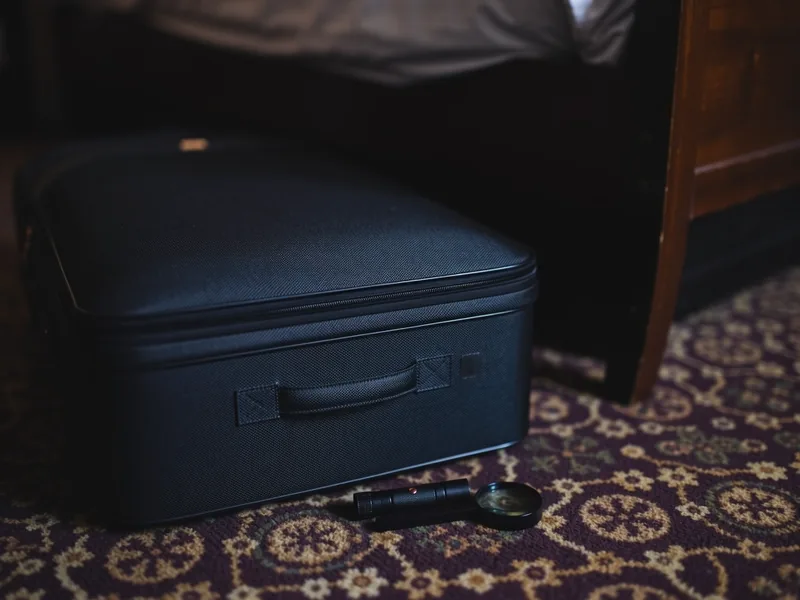 Indoor / FIELD GUIDE
YOUR FIELD GUIDE
Start with
the signs.
Look closely, note where you find activity, and bring those details to an inspection.
Jump to the service plan ↓01 / Start here
Note where and when you find signs around the property.
02 / Between visits
Small changes can make an inspection more useful and address conditions that may support pests.
Inspect luggage and used furniture before bringing them into sleeping areas.
Avoid moving suspected items between rooms; ask the provider for preparation instructions first.
In shared buildings, report suspected activity and coordinate inspection with management.
03 / The inspection & plan
Ask the provider to explain what they found before agreeing to work.
Ask the inspector to check sleeping areas and nearby furniture and explain what evidence was found.
Discuss heat or conventional treatment, rooms included, preparation requirements and any limitations.
Get written laundry, room-access and re-entry instructions, and confirm how follow-up is scheduled.
Field guide / 01
Bed bugs can hide in seams and folds of mattresses, box springs, bed frames and headboards, as well as nearby furniture and cracks. Dark spotting, shed skins and live insects are useful things to show an inspector. Marks on skin or stains alone have other possible explanations, so a treatment decision should follow an inspection and identification. Persistence matters as well: OSU notes bed bugs can live many months without a blood meal, so a vacated room is not a treatment — they wait it out and resume when the room fills again.
Bed bugs can travel in luggage, clothing and used furniture; their presence is not proof of poor housekeeping. In a shared building, a confirmed concern may require coordination with management and inspection of nearby units. Ask who will notify occupants, arrange access and report findings, rather than moving belongings into another room or apartment.
Field guide / 02
A heat plan uses equipment to raise temperatures in the treated space. A conventional plan may use targeted products and other methods at hiding places, often with follow-up. Ask each provider which rooms and furnishings are included, how they will check difficult-to-reach areas and what limits or preparation apply. Neither a method name nor a single visit should be treated as a guarantee without a written scope.
Discuss heat-sensitive belongings, medications, electronics and other items with the provider before moving them. For a product-based plan, ask where products will be applied and what the label requires for re-entry. Ask whether encasements, monitoring devices and follow-up inspection are included, and what happens if evidence remains after treatment.
Field guide / 03
Request written instructions before starting. The provider may ask for bedding and clothing to be laundered and dried, clutter reduced and furniture made accessible. Keep prepared items separated as directed; moving untreated items through the building can complicate the plan. Do not discard a mattress or upholstered furniture until the provider has assessed whether it can be treated.
Tell the provider about infants, pets, medical equipment and any difficulty completing preparation. Ask when occupants can safely return and when they should resume normal use of the room. Afterward, keep the follow-up appointment and report new evidence rather than applying additional products over the treatment without checking first.
Field guide / 04
The number of rooms, extent of activity, building configuration, method and preparation requirements can affect the quote. A single-room price may not cover inspection of neighboring rooms, encasements or return visits. For a shared building, ask whether adjacent-unit inspections are included and who pays for any additional work.
Compare proposals by treatment method, rooms covered, number of visits, preparation, follow-up and warranty. Ask what evidence triggers a return visit, how long the warranty lasts and what it excludes. A written plan is especially important if management, residents and the provider each have separate responsibilities.
Field guide / 05
Before leaving the first appointment, agree on how the provider will verify the result and what evidence you should report. Ask whether a follow-up is already in the quoted price and what circumstances lead to another visit. Keep a note of new insects, spotting or activity by room rather than relying on skin reactions alone.
For an apartment, ask management how access to neighboring units will be arranged and who will communicate preparation instructions. Each resident may have different access or laundry needs. A treatment plan should make those responsibilities clear without requiring people to move untreated belongings through common areas unnecessarily.
04 / Before you decide
No. Bites have many possible causes. Identification of insects or other evidence during an inspection is more useful.
Not necessarily. Ask the provider whether treatment and a suitable encasement are appropriate before moving or discarding furniture.
Notify management and ask whether adjacent units need inspection. A coordinated plan can help address activity beyond one unit.
Months — OSU lists that persistence as the reason they are such durable pests. It also means a vacated room is not a treatment. They wait it out and resume when the room fills again.
No. Bed bugs travel in luggage, thrifted furniture and bedding, and they thrive in five-star hotels as readily as anywhere else. What matters is treatment speed and preparation — the earlier the response, the smaller the job.
Common targets
Signs worth not waiting on
Job notes
What moves the price
When comparing quotes, match the visit count and the follow-up schedule, not just the headline number.
Related